

It’s easy to say “we care about kids.” It’s much harder to prove it, measure it, and keep improving. That is the role of the KFW Research & Development pillar.
R&D is the engine that turns “kid-friendly” from a nice slogan into a concrete, trackable reality.
From Ideas to Evidence
Collaboration spans multiple sectors, including:
- Municipal governments and city planners
- Schools, school districts, and educational networks
- Tourism boards, destinations, and hotels
- Businesses in hospitality, events, transport, healthcare, and retail
- Community organizations and nonprofits
Research and consulting activities help these partners systematically enhance their environments and services for children and families.
Kid-Friendly Domains
Research and development efforts focus on several interconnected domains:
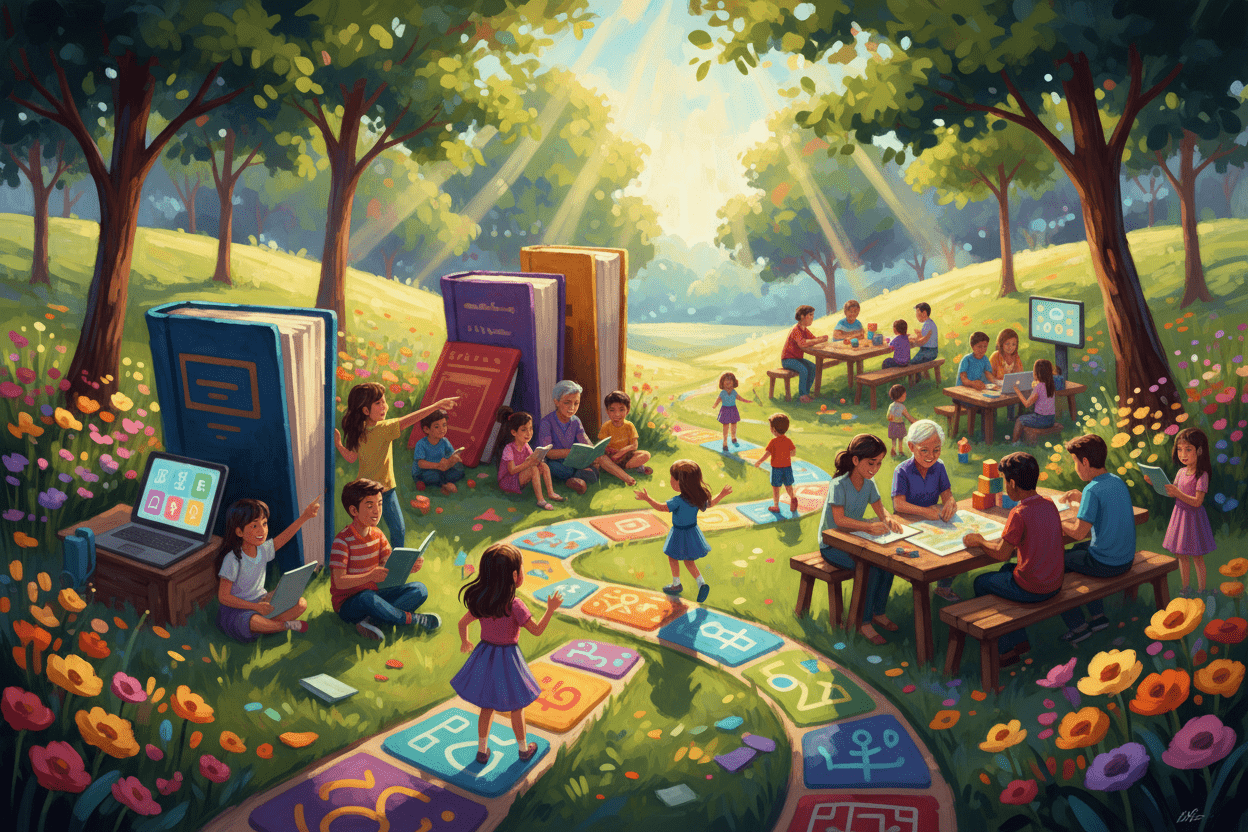
- Kid-friendly spaces – parks, Playgrounds, public areas, malls, hotels, healthcare environments, and transportation hubs
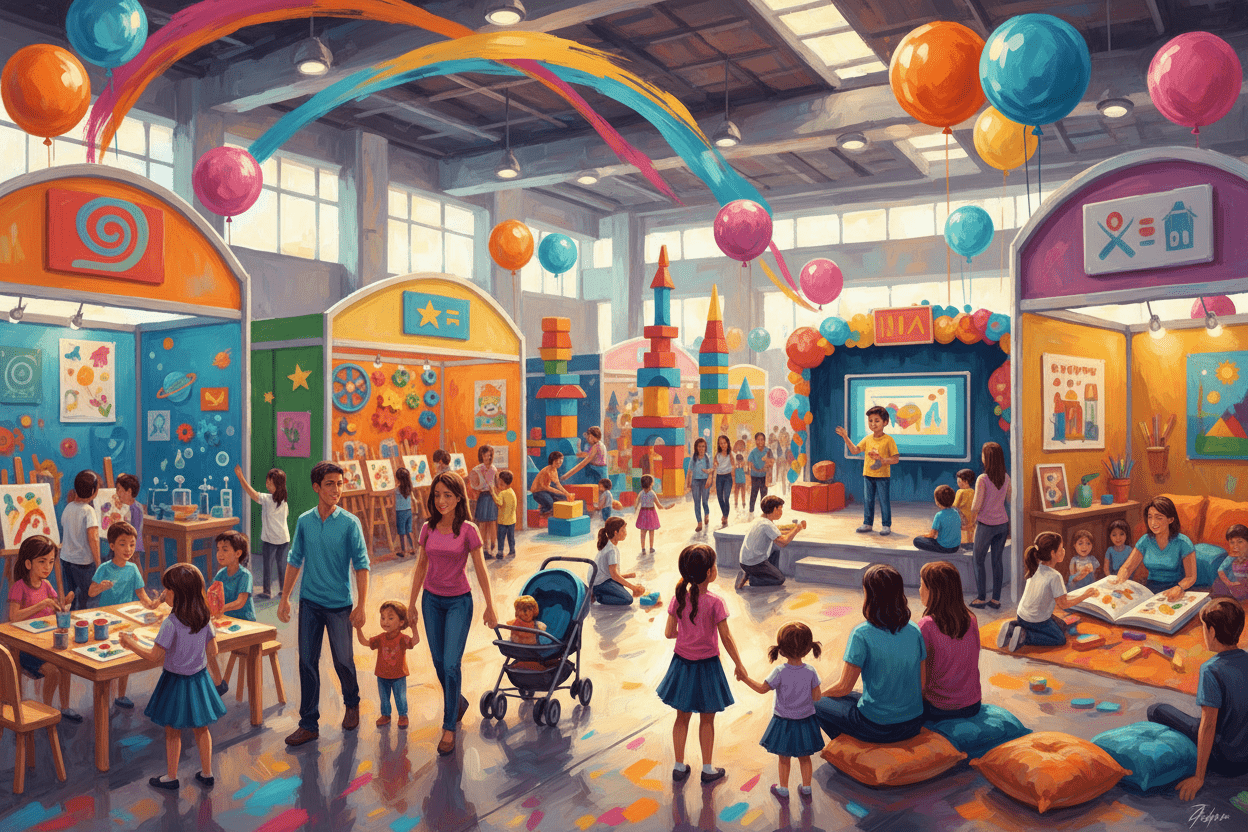
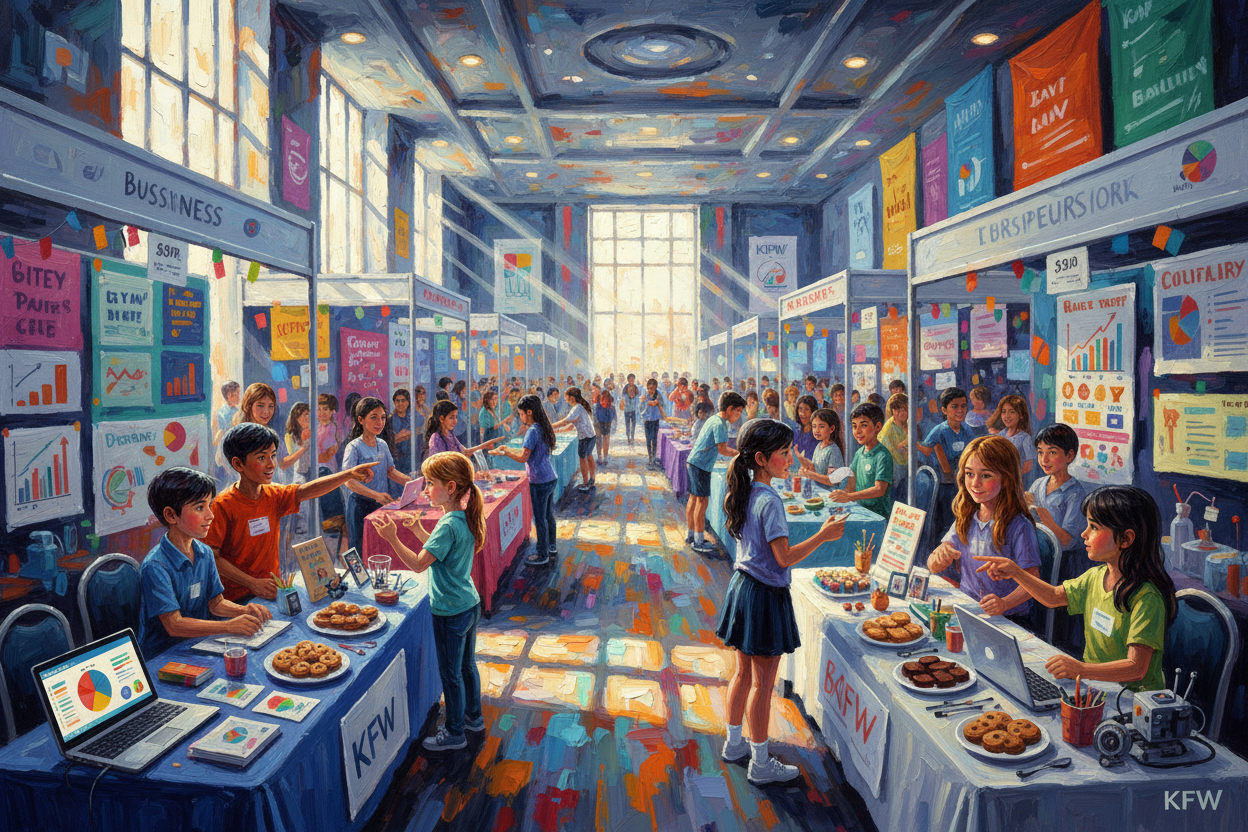
- Kid-friendly events – festivals, conferences, expos, and local celebrations designed to be engaging, safe, and accessible for families
- Kid-friendly tourism destinations – cities, resorts, attractions, and itineraries that intentionally account for children’s needs and interests
- Kid-friendly communities – programs, activities, services, and infrastructure that collectively support children’s wellbeing and development
These domains connect physical design, programming, communication, and policy.
Methodology and Outputs
The research and consulting framework typically includes:
- Strategic sessions with stakeholders to define goals, context, and constraints
- Surveys, interviews, and data collection with children, parents, staff, and residents
- Data analytics and visualization to identify strengths, gaps, and key opportunities
- Reports and recommendations tailored to each partner’s context and objectives
- Kid-Friendly Index – a scoring and benchmarking tool that evaluates how kid-friendly a community, organization, space, or event is
- Kid-friendly certifications that recognize cities, spaces, events, and organizations meeting defined standards and criteria
- Consulting and implementation support to design improvement roadmaps, pilot new initiatives, and monitor results over time
This framework allows continuous monitoring, learning, and improvement, turning kid-friendliness into a concrete, trackable dimension of quality and impact.
The KFW Research & Development pillar ensures that every “kid-friendly” claim is backed by data, reflection, and a real commitment to building better environments for children—today and in the future.